How New Home Lifestyle Inflation Can Sidetrack Your Other Goals
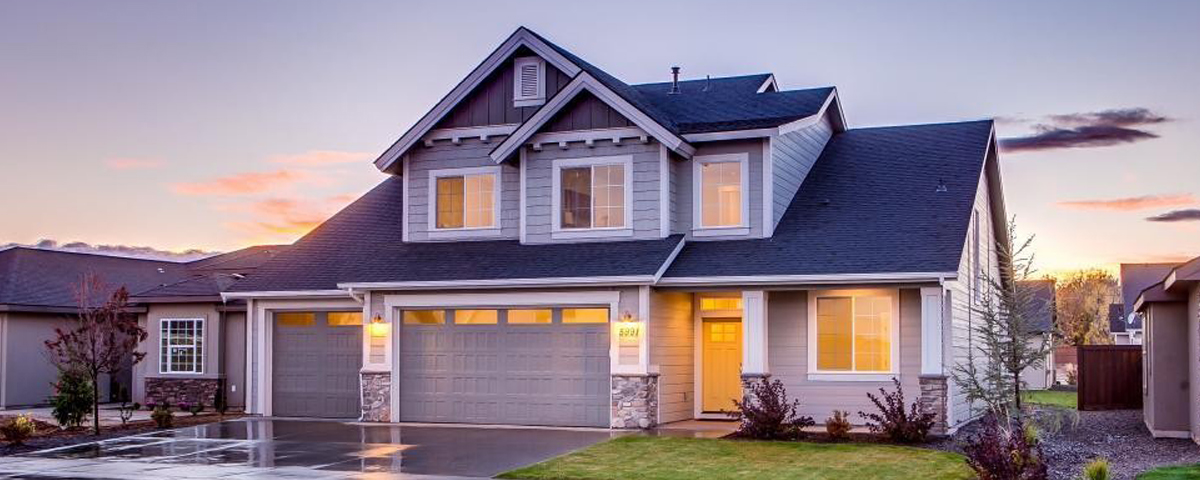
Getting the keys to a new home feels like crossing the finish line of a grueling financial marathon.
To get here, you’ve likely spent months or even years practicing extreme restraint—watching every single transaction, cutting out luxuries, and ensuring your credit remains flawless for mortgage approval. This process requires a high level of strict, intentional budgeting.
But the moment the papers are signed and the keys are in your hand, that intense underwriting pressure vanishes.
This sudden relief can trigger a financial backlash. After a long period of deprivation, it is completely natural to want to loosen your wallet and celebrate your achievement. Because you are investing directly into your own property, these purchases don’t feel irresponsible—they feel entirely justified.
The Subtle Onset of "New Home" Lifestyle Creep
Lifestyle inflation rarely hits your bank account all at once; it accumulates in quiet, justifiable layers.
It might begin innocently with a sofa that costs slightly more than budgeted, followed by custom blinds, area rugs, or minor cosmetic upgrades. Individually, each purchase feels manageable and serves to make your environment more comfortable. Over time, however, these "just one more thing" expenses quickly stack up.
Your mindset gradually shifts from assessing basic necessities to imagining a picture-perfect space. Social media algorithms and interior design trends subtly accelerate this pressure, convincing you that every room needs to be fully styled and photo-ready from day one.
Common impulse purchases new homeowners rush into include:
- Buying complete, matching furniture showrooms instead of furnishing rooms gradually
- Replacing